From Empty Land to Battery Storage Asset: The Journey Behind Every BESS Project
When people think about battery storage, they often think about the finished asset.
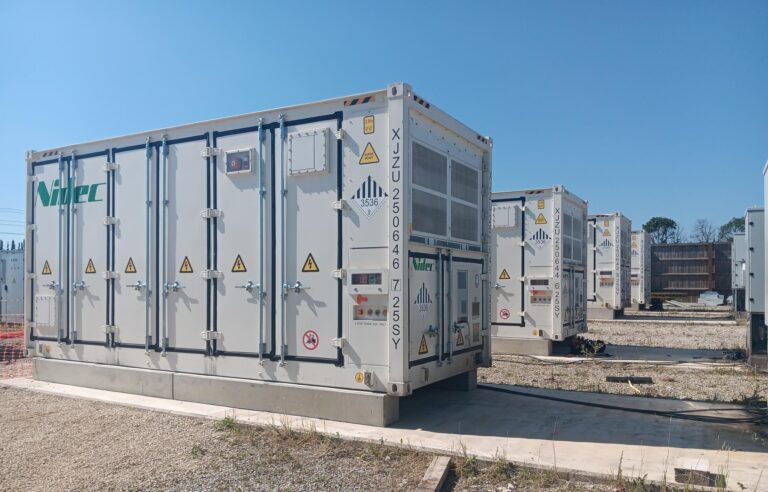
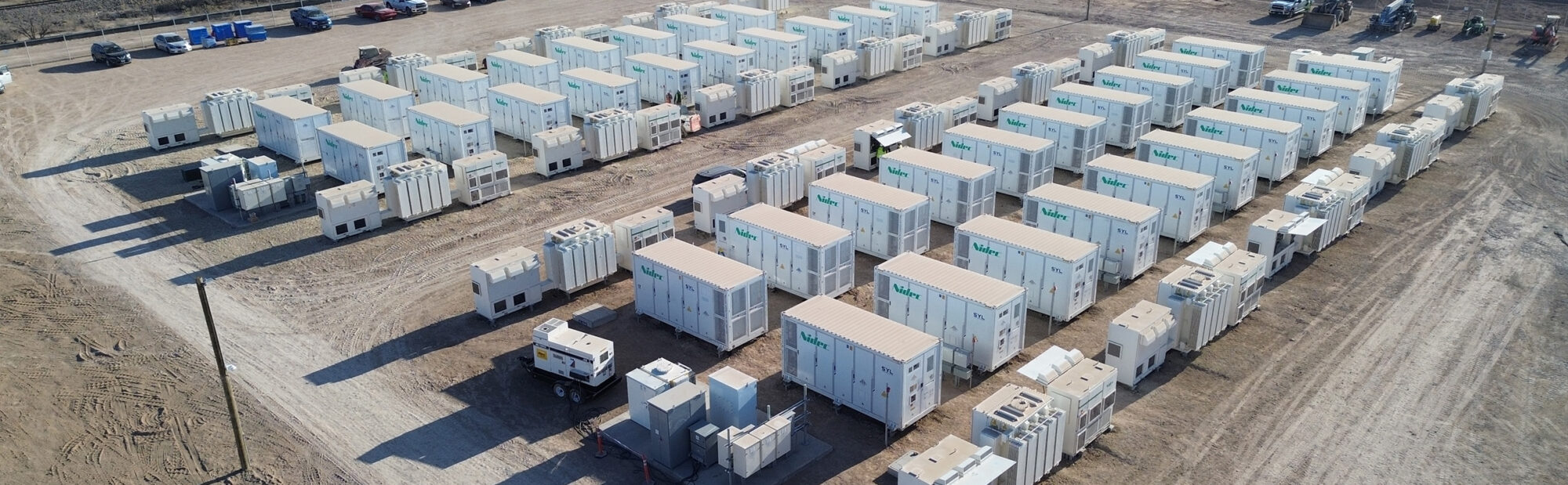
Rows of battery containers. A grid connection. Electricity flowing.
But before a battery stores a single unit of electricity, years of planning, design, procurement, construction and testing take place behind the scenes.
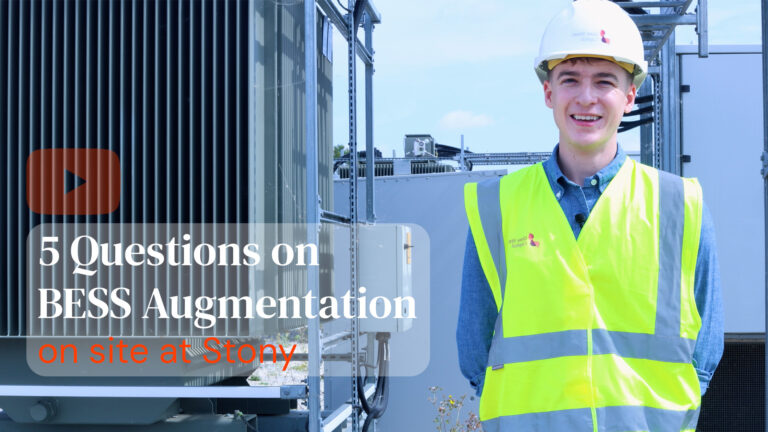
To get a better understanding of this process, we spoke with Michael Darzi, Project Development Manager at Gore Street Capital.
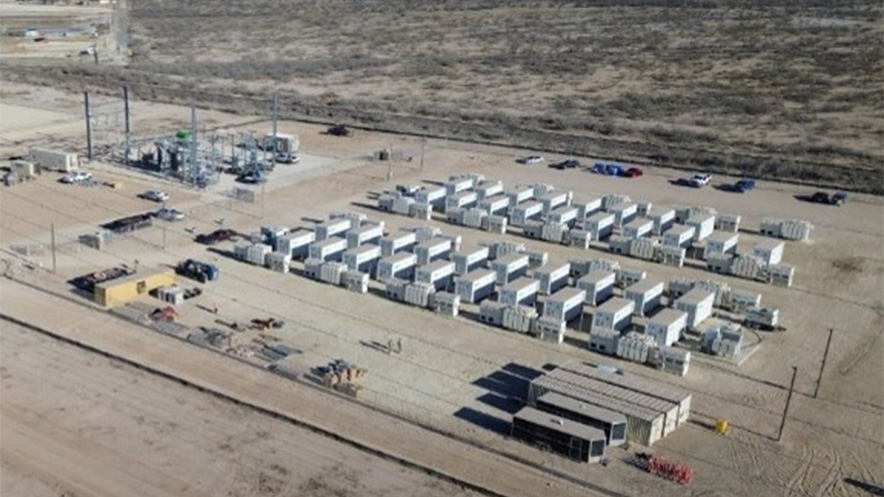
Using Dogfish, a 75 MW battery storage asset in Fort Stockton, West Texas, as an example, Michael shared his experience of helping deliver the project from a greenfield site to an operational asset.
Owned by Gore Street Energy Storage Fund and managed by Gore Street Capital, Dogfish provides a useful illustration of the many stages involved in bringing a Battery Energy Storage System (BESS) to life.
Watch our short video on YouTube or read the story below.
Stage 1: The Site
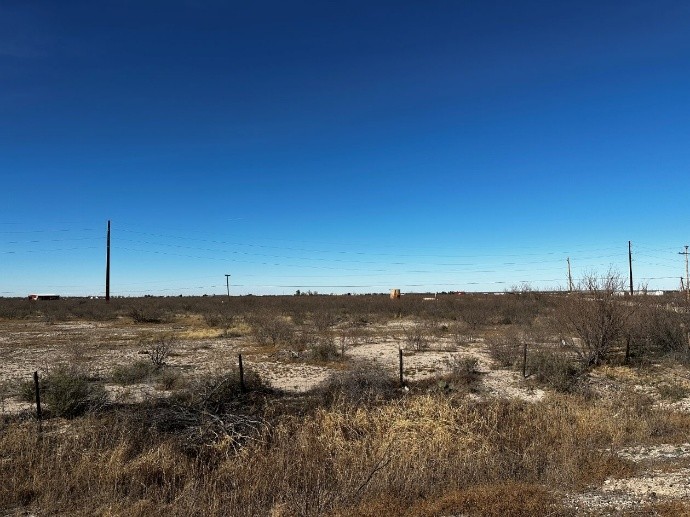
The story of Dogfish began long before batteries arrived on site.
As a greenfield development, the project required a detailed assessment before construction could begin. The team evaluated grid connection requirements, planning constraints and site-specific considerations to understand what would be needed to transform the site into a long-term operational asset.
For Michael, this early stage is critical:
“The goal is to ensure we’re developing assets that will deliver value throughout their lifetime.”

Stage 2: Designing the Asset
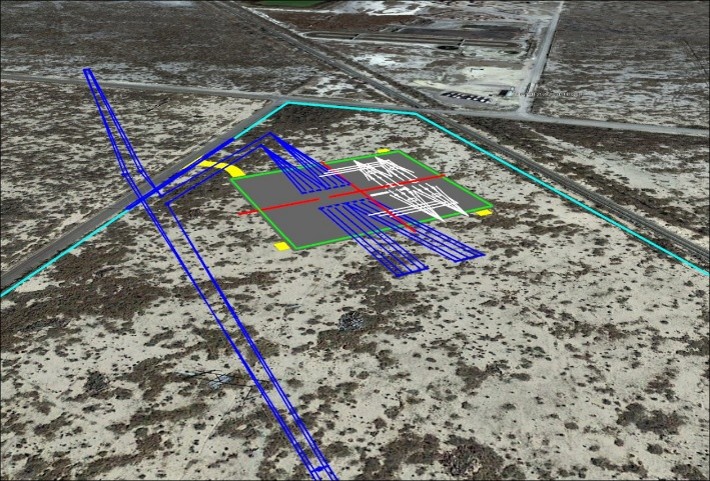
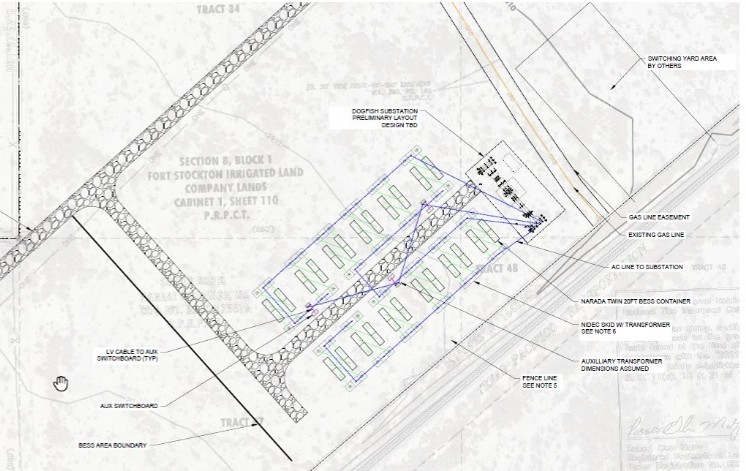
Before any batteries arrive on site, the asset exists only on paper.
Engineers develop what is known as the Basis of Design – the blueprint that determines how the system will operate throughout its lifetime, from battery duration and system sizing to grid requirements and future flexibility.
As Michael explains:
“The first step is understanding what the system is supposed to look like, what it’s going to deliver and the profile it’s going to operate under.”
With battery assets expected to operate for decades, these early design decisions help shape how the project performs long after construction is complete.
Stage 3: Procuring the Right Partners
With the initial design complete, the procurement process begins.
Potential suppliers and contractors are invited to submit proposals through a competitive tender process. To ensure each bid can be assessed fairly, information is standardised and reviewed on a like-for-like basis.
As Michael explains:
“You never give a budget. You want suppliers to show you what they can offer, then compare proposals on an equal footing. The goal is to find the right balance between upfront costs, long-term performance and project risk.”
While price is important, it’s rarely the only factor. The team also consider quality, warranty protection, delivery timelines, technical capability and how risk is allocated between the different parties involved.
The objective is not simply to buy equipment, but to select partners and solutions that support the asset’s long-term performance and investment objectives.
Stage 4: Negotiating the Details
Before construction can begin, contracts must be agreed.
This stage involves much more than signing paperwork. The team work closely with contractors to define responsibilities, manage risk and ensure there are no gaps in scope that could lead to delays or additional costs later in the project.
As Michael explains:
“The goal is to capture the broad requirements while making sure there are no gaps in scope. If something is missed, it can lead to additional cost or delays further down the line.”
Alongside pricing, negotiations cover warranties, guarantees, delivery milestones and performance commitments. The team must also carefully manage timelines, particularly when critical equipment has long manufacturing lead times.
Some components, such as high-voltage transformers, can take a year or even up to 3 years to design, manufacture and deliver. To avoid delays, procurement and contract negotiations are often coordinated with construction planning so that critical equipment can be ordered at the right time.
For Dogfish, this approach helped the project remain marginally under budget, with the final contract value remaining closely aligned to the original EPC agreement.
Stage 5: Construction Begins
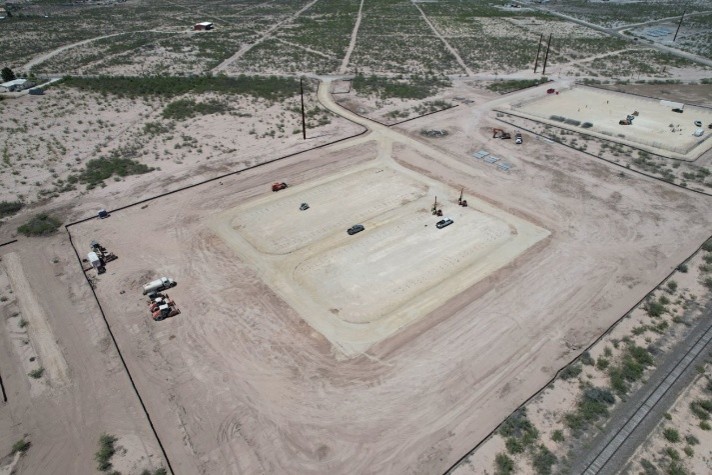
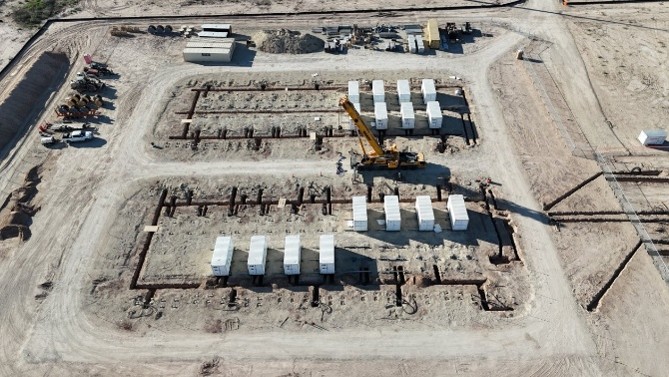
What was once an empty field slowly begins to take shape.
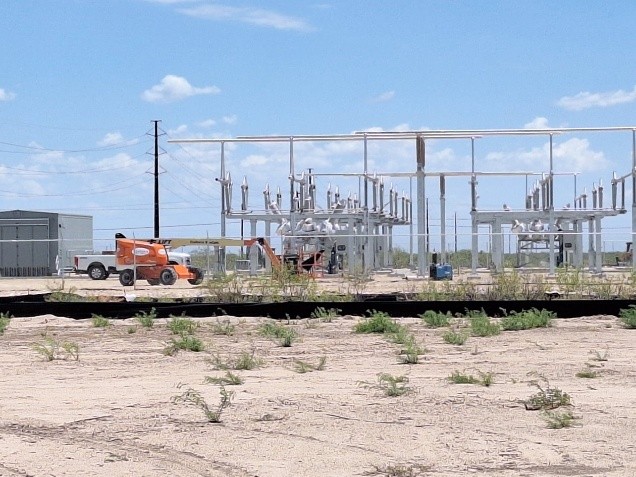
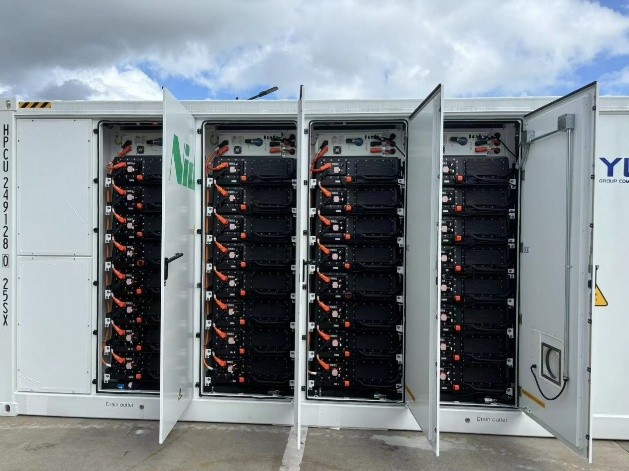
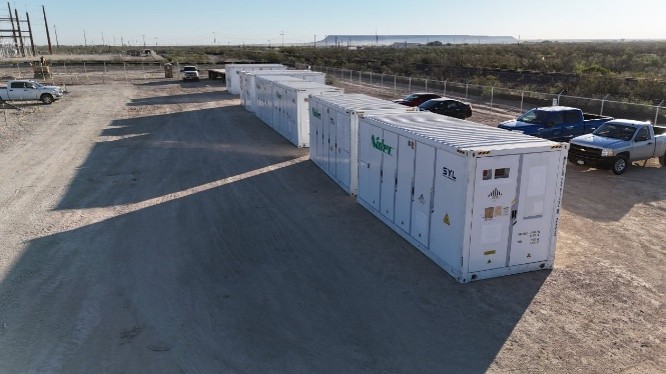
Groundworks are completed, foundations are installed and electrical infrastructure starts to emerge. As equipment begins arriving on site, plans and drawings become a physical asset.
Construction typically takes between 9 and 12 months, depending on the size and complexity of the project.
Throughout this stage, regular site visits play an important role in monitoring progress and addressing challenges as they arise.
As Michael explains:
“It’s important to see what’s happening on the ground and understand the complexity of it.”
Stage 6: Testing Before Operation
Even after construction is complete, the project is not ready to operate yet.
One of the most important – and often overlooked – stages is commissioning.
As Michael explains:
“A battery can’t simply be switched on overnight.”
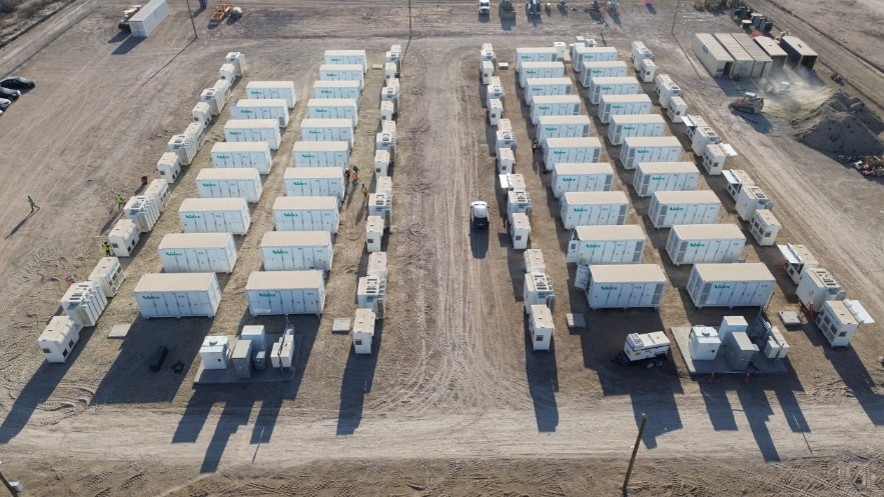
Before commissioning can begin, the asset must first be energised and connected to the grid. The project was successfully energised in February 2025.
The system is then tested in stages, with performance reviewed by both the project team and the grid operator. Equipment, controls and safety systems must all be validated before the asset can enter commercial operation.
This process helps ensure the battery performs safely, reliably and as designed before it begins delivering services to the grid.
Stage 7: Ready to Operate
Once testing is complete, the asset receives approval to operate.
Dogfish achieved Commercial Operation Date (COD) within a few weeks of its original COD target of mid-April 2025, marking the successful completion of the construction and commissioning process.
Only then can it begin delivering the services it was designed for, supporting the grid and generating revenue.
At this point, responsibility begins to shift from the construction team to Gore Street Capital’s Asset Management, Commercial and Trading teams, who oversee the asset’s performance throughout its operational life.
The construction journey may be complete, but the asset’s journey is only just beginning.
Years in the Making
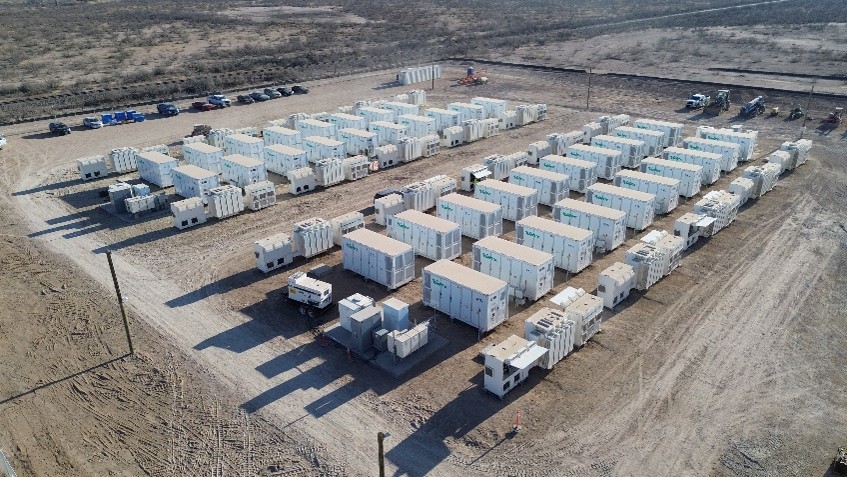
When people look at a completed battery storage asset, they see rows of batteries, electrical infrastructure and a project ready to operate.
What they don’t see are the years of planning, design, procurement, negotiations, construction, testing and commissioning that made it possible.
From an empty field to a fully operational asset, every stage is shaped by careful planning, technical expertise and collaboration between specialists across multiple teams.
The completed battery may be the most visible part of the project, but it’s only one stage in a much longer journey.
Learn More
Want to hear directly from the experts behind Gore Street Capital’s battery storage projects? Subscribe to our YouTube channel for insights from the team managing, building and operating BESS, and follow us on LinkedIn for the latest project updates, industry perspectives and behind-the-scenes content.
Important Information
This is a marketing communication issued and approved by Gore Street Investment Management Limited (“GSIM”), which is authorised and regulated by the Financial Conduct Authority (FRN 1018207). It is provided for information purposes only and does not constitute investment advice, or an invitation or inducement to buy or sell shares in Gore Street Energy Storage Fund plc. The value of investments and any income from them can fall as well as rise, and investors may not get back the amount originally invested. Past performance is not a reliable indicator of future results.