Battery Storage Is Maturing. Here’s What Our Latest ESG Report Reveals
The publication of Gore Street Energy Storage Fund’s fifth ESG & Sustainability Report provides an opportunity to look beyond the numbers and consider what they tell us about the role battery storage is playing in the energy transition.
The report captures another year of growth, with operational capacity increasing from 417MW to 643MW and renewable electricity stored increasing by 45% year-on-year. It also highlights how the Fund’s strategy continues to support broader sustainability objectives through its alignment with the UN Sustainable Development Goals and commitment to responsible investment.
More importantly, the report reflects the increasing maturity of both the portfolio and the wider battery storage sector.
Here are five themes that stood out.
- Battery Storage Is Delivering Impact at Scale
As renewable generation continues to grow, energy storage is becoming an increasingly important part of modern electricity systems.
During FY2025/26, the Fund’s operational portfolio stored 56,975MWh of renewable electricity, enough to power approximately 23,000 homes for a year.
The portfolio also avoided an estimated 15,142 tonnes of CO₂e emissions, equivalent to removing around 3,300 cars from the road for a year.
- The Energy Transition Needs More Than Renewable Generation
One of the strongest themes throughout this year’s report is that achieving Net Zero is not simply about building more renewable generation. Electricity systems also need the flexibility to accommodate intermittent renewables.
As conventional thermal generation is retired, grid operators face growing challenges around balancing supply and demand, maintaining stability and reducing renewable curtailment.
Battery energy storage systems help address these challenges by providing frequency response, reserve services, wholesale trading flexibility and capacity support.
- California Shows a Glimpse of the Future
This year’s report marks the first full year of operation for Big Rock, the Fund’s 200MW / 400MWh project in California.
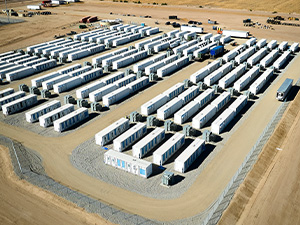
The project provides a compelling example of how battery storage can support high-renewable electricity systems.
As California has expanded solar generation, energy storage has become increasingly important in shifting surplus daytime solar power into periods of peak evening demand. The state’s battery fleet now exceeds 16GW and is increasingly replacing the role historically played by natural gas peaking plants.
Big Rock contributes to this transition by storing renewable electricity that might otherwise be curtailed and making it available when the grid needs it most.
- Sustainability Extends Beyond Carbon
While avoided emissions and renewable electricity stored remain important indicators, the report highlights a broader view of sustainability.
This includes continued support for the Fair Cobalt Alliance and initiatives that seek to improve conditions within artisanal mining communities in the Democratic Republic of the Congo.
It includes maintaining zero material health and safety incidents across the portfolio.
It also includes workforce diversity initiatives, industry collaboration and active participation in groups helping shape future standards around safety, sustainability and supply chain management.
As the sector grows, the conversation around sustainability is expanding beyond emissions and renewable energy integration to include supply chains, safety, governance and social impact.
- Transparency Is Becoming the Standard
Perhaps the clearest message from this year’s report is how sustainability reporting within the battery storage sector continues to evolve.
Alongside reporting on avoided emissions and renewable electricity stored, the Fund continues to disclose performance against a broad range of environmental, social and governance indicators through frameworks including SFDR, SDR, TCFD and UN PRI.
The report also highlights ongoing investment in ESG data collection, climate risk assessment and operational monitoring, helping improve transparency and provide greater visibility into how sustainability commitments translate into measurable outcomes.
As the sector matures, robust data and consistent reporting will play an increasingly important role in demonstrating both impact and accountability.
Looking Ahead
Battery storage has become an essential part of the energy transition, but the sector’s evolution is far from complete.
This year’s ESG & Sustainability Report demonstrates the increasing sophistication of the systems, processes and partnerships supporting GSF’s portfolio.
Battery storage is no longer a technology of the future and the focus is now shifting to delivering sustainable outcomes at scale.
Read the full ESG & Sustainability Report here.
You Might Also Be Interested In
Read: How Gore Street Capital Ensures Sustainability Remains at the Heart of the Investment Case
Explore how ESG considerations are integrated into investment decisions, from climate risk and biodiversity assessments to governance, supply chain management and long-term value creation.
Watch: How Sustainability Shapes the Battery Storage Lifecycle
Learn how sustainability influences decisions across the entire battery storage lifecycle, from investment and construction through to asset management, optimisation and end-of-life planning. Featuring insights from Alex O’Cinneide, Sophie Sax and Daniel Sherlock-Burke.
Coming soon. Subscribe to our YouTube channel for updates.