4 Ways Asset Management Turns the BESS Investment Case into Reality
A strong BESS investment case doesn’t end when an investment is approved.
At that point, assumptions around operating costs, availability, performance and revenue move from financial models into the real world. The focus shifts from what an asset is expected to deliver to what it actually delivers.
That’s where Asset Management comes in.
Working closely with the Investment Team, Asset Management helps shape investment decisions before a project is built, supports operational performance once it’s live and provides the feedback needed to inform future investments.
1. Shaping the Investment Case
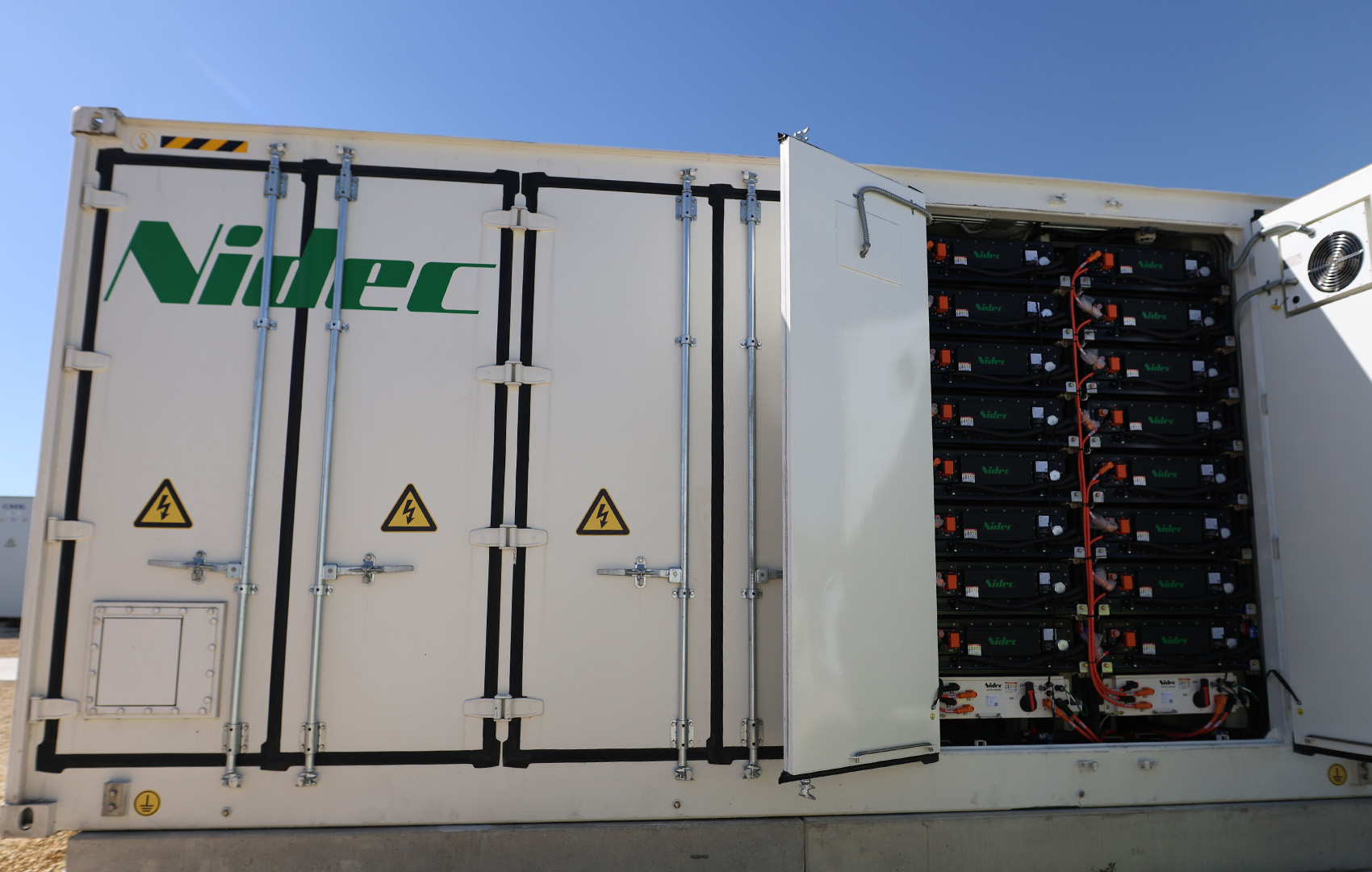
As investment opportunities are assessed, the team provides input on factors such as operational costs, expected availability, battery degradation and long-term maintenance requirements. These insights help inform the assumptions that underpin investment models and forecasts.
There are often trade-offs to consider. For example, a more comprehensive operations and maintenance (O&M) contract may offer additional guarantees or service levels, but at a higher cost. Asset Management helps assess whether those additional costs are justified, or whether similar performance can be achieved through closer monitoring, contractor management and in-house expertise.
Those decisions play an important role in shaping the overall investment case.
2. Delivering Performance Where It Matters Most
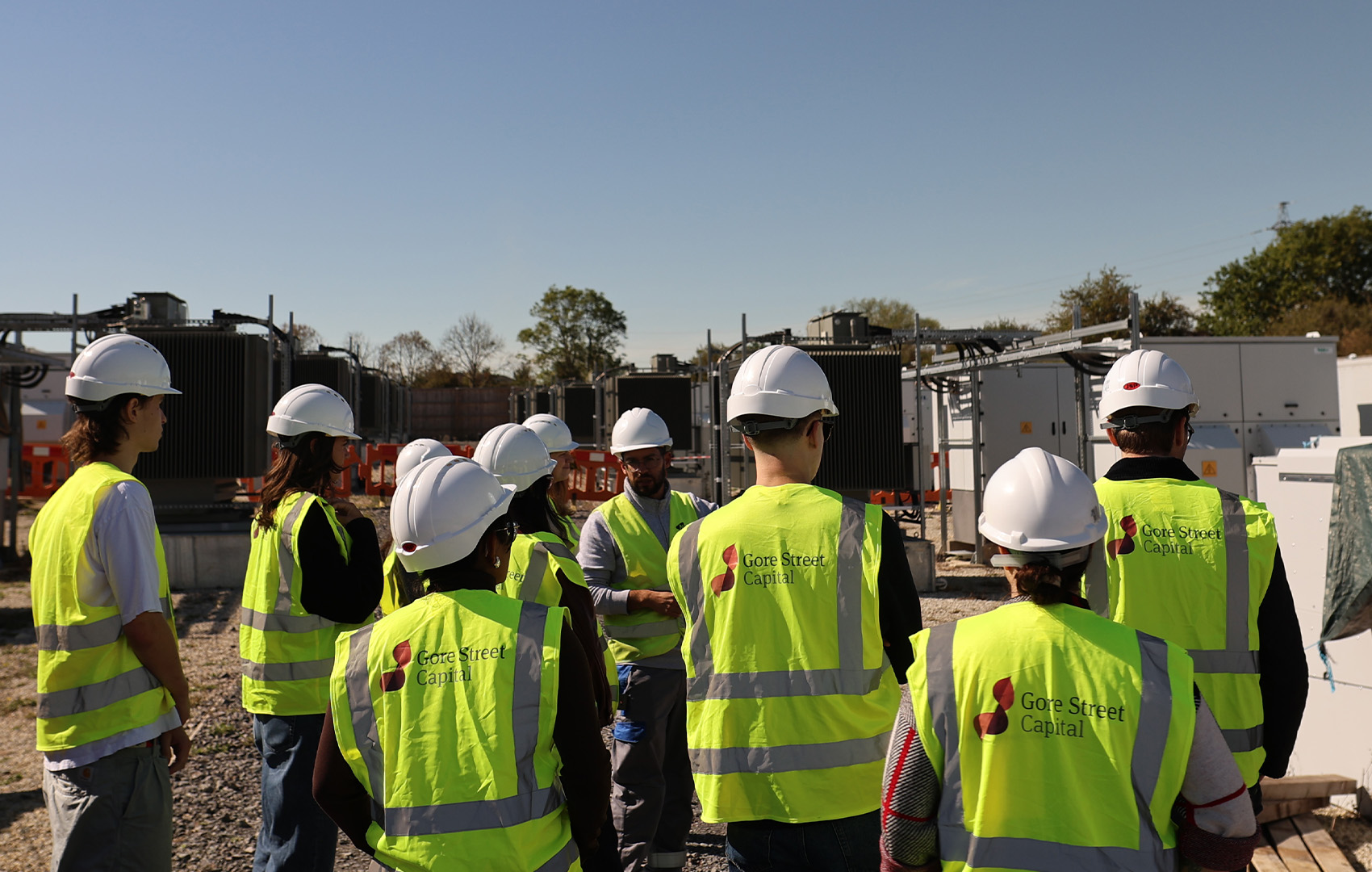
Once an asset is operational, Asset Management’s role becomes ensuring it performs as expected. At first glance, success might appear simple: keep the asset online and maximise availability.
In reality, battery storage is far more dynamic.
Unlike technologies such as wind and solar, where maintenance can often be planned around predictable weather patterns, battery revenues are heavily influenced by market conditions. An asset can have a very high availability score but still miss significant revenue opportunities if planned outages occur during periods of market volatility.
As a result, successful asset management isn’t simply about maximising uptime. It’s about ensuring assets are available when they are needed most.
This requires close coordination across teams and a detailed understanding of both operational and commercial priorities.
3. Optimising and Protecting Value
Asset Management also plays a key role in protecting and enhancing value throughout an asset’s lifecycle.
That includes managing contractor performance, reviewing long-term service agreements and ensuring Gore Street is receiving the service levels it has contracted for.
Increasingly, data and analytics are becoming an important part of this process.
The team’s monitoring capabilities help identify operational issues sooner, improve response times and support more proactive decision-making. Rather than simply reacting to equipment failures, the focus is on identifying potential issues early and taking action before they impact performance.
At the same time, the team continually assesses whether existing operational arrangements continue to deliver value, looking for opportunities to improve efficiency without compromising performance.
4. Creating a Feedback Loop for Future Investments
One of the most valuable aspects of Asset Management is the insight it provides into the investment process.
Every operational asset generates lessons. Performance data, contractor experience, maintenance requirements and equipment behaviour all provide real-world evidence that can be used to refine future assumptions.
That feedback doesn’t just help us manage today’s assets. It helps shape tomorrow’s investment decisions.
The more we understand what drives performance in the real world, the better we can support future projects, challenge assumptions and build confidence in the investment case from the outset.

Explore More
- Discover how Gore Street Capital identifies, assesses and invests in battery storage projects across global energy markets. Watch on YouTube: How We Choose Battery Storage Projects: The Investment Case for BESS
- Explore how investment opportunities are identified and evaluated, and why market selection remains a key part of our long-term investment strategy. Read More: Two Initial Acquisitions in the Republic of Ireland for Fund III: GS EU